• Take a deep dive into the gifts and teachings of the Salmon.

    Each month, guild members will explore a theme that will deepen our individual and collective creative practices as tanners and land based skillholders. This is a facilitated opportunity for us to learn and experiment together, share our discoveries, and foster creative accountability through a supportive community process of regular virtual gatherings. Bring your curiosities but also be ready to share your knowledge and experience!

    Prerequisites:

    This guild is open to those who already have experience making fish skin leather and who want to expand their practice of honouring the salmon and their teachings. Some experience with natural dyes, sewing and animal textiles is an asset. Note: This is NOT a formal class where you will learn the process of tanning fish leather from beginning to end.

    Structure:

    Led by Janey Chang, each month a theme will guide our practice. Generally, Class 1 each month will be focused around thematic sharing of what we already know and Class 2 of each month will be sharing what we have learned since the previous class. During portions of our classes, you are welcome to work on your current crafting projects while we talk and share.

    Dates:

    Tuesdays from 7-8:30pm

    September 22 + 29, October 13 + 27, November 10 + 24

    Monthly Themes:

    September: Resilience + Strength

    October: Generosity + Abundance

    November: Reciprocity + Gratitude

    Materials:

    No definitive list of supplies is available as projects will be dynamic and spontaneous and depends on the group’s direction. You may need things on hand such as fish leather you’ve previously tanned, natural dyes, sewing supplies, general crafting and findings from nature.

    Registration:

    8 spaces, book your spot here.

    This is a part of EartHand’s pilot series of Guilds- rethinking how we learn together.

    The $25 monthly fee is going direct to the skill holder facilitating the group.

  • We’re more than halfway through EartHand’s first Kootenay-based programming, the Nelson Materials Investigation Series! For three sessions now, a group of 7-8 of us, primarily located on the traditional territories of the Sinixt and Ktunaxa peoples in the West Kootenays, have gathered virtually via Zoom for a show-and-tell of backyard fibre materials, to share and compare notes about harvesting, soaking, and processing, and to learn and practice some basic hand technology skills such as rope-making, stem splitting, and multi-strand braiding.

    We’ve also been sharing resources and stories to help each other learn about whose land we’re each calling in from, to learn about resources and ethical practices when using invasive plants, and are slowing but surely building a little virtual (for now) community of folks comfortable enough to share our excitement about repurposed pet hair fibre projects!

    Collectively, we’re investigating the backyard green-waste fibre potential of a growing list of plants including hops, orange hawkweed, dandelion, lilac bark, raspberry bark, buttercup, scotch broom, hazel bark, smokebush bark, daylily, oxeye daisy, bindweed, grasses, clematis, goatsbeard, bird vetch, lavender, and others!

    With momentum and optimism to continue this work, Jaymie is interested in connecting with West Kootenay environmental non-profits, host nation storytellers, weavers, and knowledge holders, SD8 school teachers, and any other folks or organizations interested in pursuing environmental art projects in collaboration with EartHand Nelson in the near future. Please contact her at EarthandNelson(at)gmail.com.

  • ✿What Is a Digital Garden? ✿ Artist talk and Q & A with Sarah Holloway  

    ✮✮July 7th, 2020 7pm (PT)

    Get your tickets here!

    The language of how we describe experiences in the environment and computation are intertwined. The internet is described as water, social media as a mycelium network and navigating digital spaces as ‘surfing the web’. In turn, computational language has been used to describe the natural world. Close to home, Oliver Kellhammer described the original planting of Means of Production Garden as “an open source landscape…” In visiting artist, Sarah Holloway’s talk she will break down the term, digital garden and discuss the work of artists and critiques who explore the relationships between ecology and computation. From acoustic ecology pioneered in Vancouver during the 1970s to a memory garden for collective morning, the talk will examine how ‘new’ media has interacted with ecology and how these examples have influenced Sarah’s work growing a digital garden for Earthand.

    Join us for this talk, What is a Digital Garden?, to better understand the project, Digitizing the Visceral: Making in the Spaces Between, and get an overview of the adjacent workshops being led throughout the month of July.  

    Digitizing the Visceral: Making in the Spaces Between, is a project lead by Sarah Holloway. Over the course of the summer Sarah has been mapping and observing  EartHand’s two community gardens. Sarah will be growing an online garden for the community to access information on the irl gardens plants, harvests and happenings as well as community members’ ecological art practices and research-accessible from afar. 

  • Join in and help us map the garden in real time, so Sarah Holloway can create a digital map for both sites! These are free events, sponsored in part by Vancouver Park Board: Arts Culture and Engagement Dept and EartHand Gleaners Society

    What is a digital garden you ask?

    find out July 7th 7.15-8.15pm, virtual artists talk with Sarah- get your ticket here!

    mapping and site tours- small groups, preregistration is required

    June 29 7-8.30 pm – fibre and weaving plantings tour and mapping/drawing with Sharon Kallis tickets here

    July 6 7-8.30 pm – natural colour: dyes and pigments tour and mapping/drawing with Sharon Kallis tickets here

    July 13 7-8.30 pm – food and medicine tour and mapping/drawing with Lori Synder tickets here

    July 16 7-8.30pm – wood working tour and mapping/drawing with David Gowman tickets here

    For more information about the project visit this web post

  • Nature and Studio Guilds:

     A series of nature and studio groups that meet virtually and regularly,  to share and learn. 

    Led by  skill holders who focus the lens to a specific  area of inquiry, these sessions are opportunities to share seasonal delights and learnings with other like-minded individuals.

    Skill holders act as guides and facilitators, leading the way for what is seasonally happening and relevant in the area of exploration. From technical demos and seasonal notes of interest for the first session each month followed by personal research time, and a follow up group share and a ‘ lessons learned’ exchange.

     Like  book clubs for nature and the studio, which club do you want to join?

    Fees paid  will  go directly to support the facilitator, EartHands’ earned revenue is supported by BC Arts Council Resilience Funds  this year. The guild programs are  3 months in length with a cost of $25/month payable as a single booking fee of $75.

    These guilds are pilot programs we are happy to be offering as we experiment in how to be learning together while physically apart. Skill holders who are leading guilds may jump in and participate in each others sessions to make for some fun cross-guild pollination!

    Participants will need a device with a working camera and microphone in order to participate and be able to access the internet while the group meets thru a zoom call instigated by the guild facilitator. Some guilds have a possible supplies list for things to consider wanting to have on hand for that area of inquiry. Look for lists at the bottom of each program description.

    These are small, committed groups-register early to avoid disappointment!

    Still to come for Autumn 2020: Gifts from the Salmon with Janey Chang and All Things Woolly with Nicola Hodges

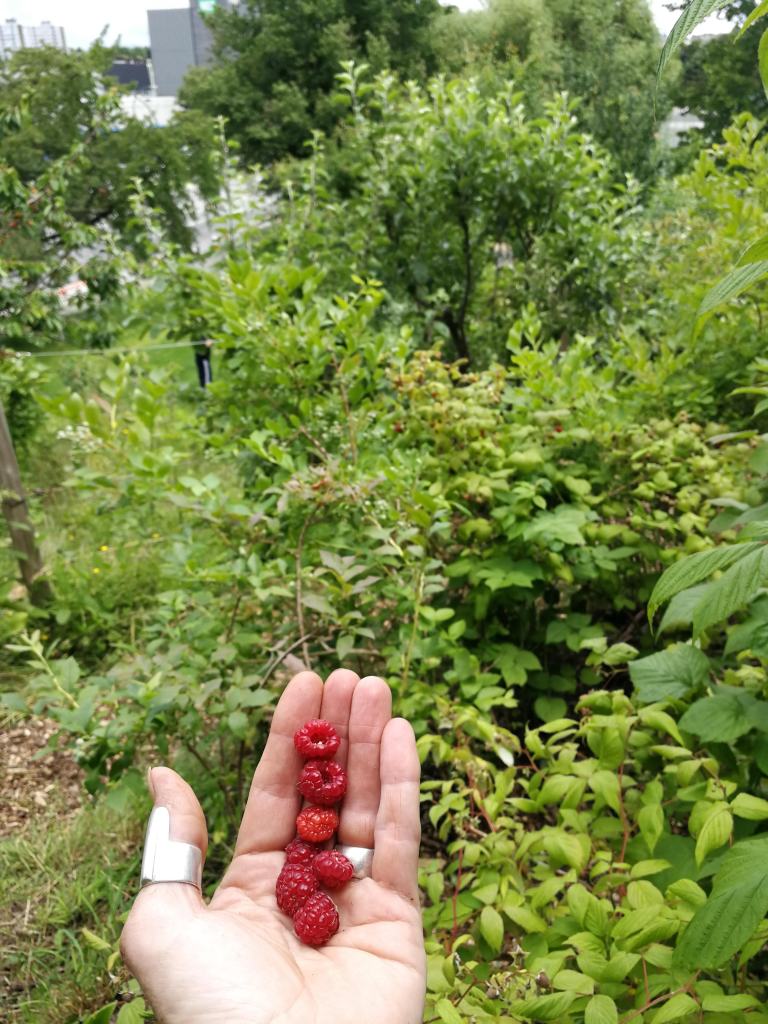
    Nature Connection: foraging summer’s sweetness with Sara Ross       

     Virtual Dates:  Tuesdays, 7:15 – 8:45pm

    July 14, 28, August 11, 25, September 8, 22

    Do you recognize or have relationships with any plants that grow around us? In this Community Guild we will investigate micro-local seasonal wild foods: ways to recognize, harvest, enjoy, and preserve these gifts for ourselves and others…. find out more here and book your spot

    Food and Medicine in the Garden with Lori Snyder  

     Virtual Dates: Sunday sessions: 11am-12.30pm, Monday sessions 7.30-8.30pm, 

    July 5, 20 August 9, 24, Sept 13, 28

    Come and explore the Garden as you discover indigenous ways of knowing with Métis herbalist and educator Lori Snyder…. find out more and book your spot

    Wet Felting Circle with Amy Walker

    virtual dates: Wednesdays 7.15-8.15pm

    Aug 12 & 26, Sept. 9 & 23, Oct 7 &21 

    For show & tell, work-shopping and feedback on your current or planned projects. For making fabric, garments, hats, sculpture etc. Open to experienced as well as novice felters… find out more and book your spot

    The Dyer’s Garden in the Home Kitchen with CZarina den Ouden Lobo

    Virtual times: Tuesdays 7.15-8.45 pm

    August 4, 18, September 1, 15 October 6, 20

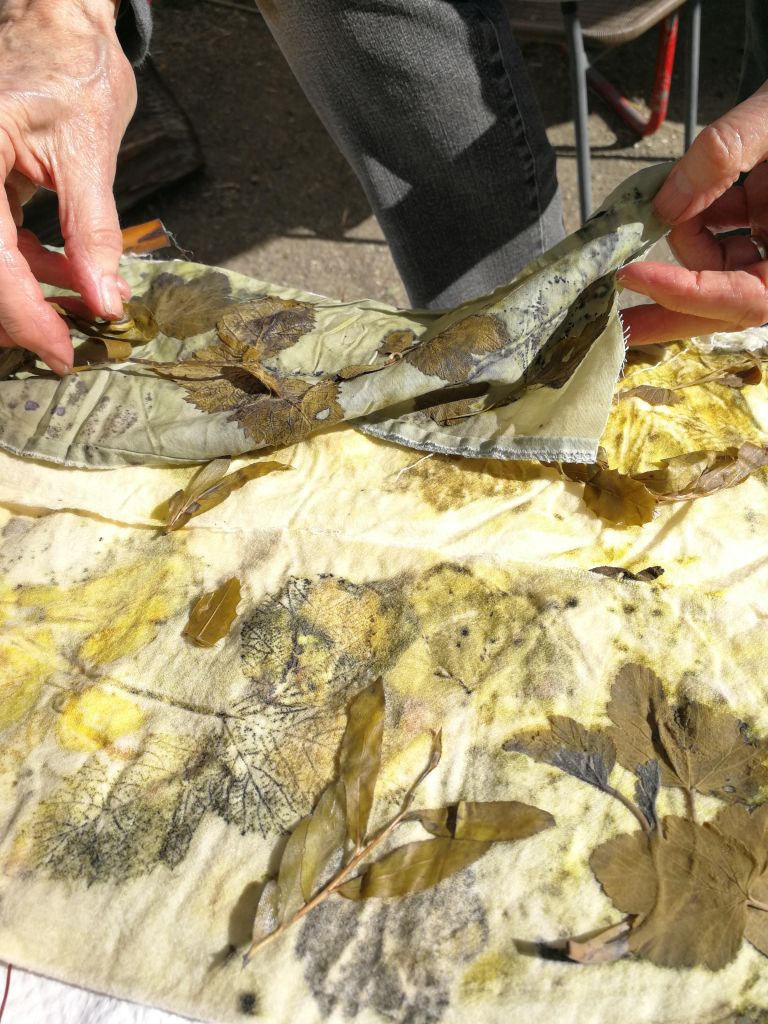
    Starting with  easy at home mordanting options like soybeans,  leftover yogurt and pickling alum at-home dying with plants and ingredients found in the kitchen are explored in this group.

    Save your big jars, start scouting local materials from back alleys… find out more and book your spot

    Autumn Fibres Guild with Sharon Kallis

    Virtual times: 7.15-8.45 pm First Tuesday, second to last Monday monthly

    Sept 1, 21, Oct 6, 19, Nov 3, 23 

    Join Sharon for a processing adventure from green nettles in early fall through to dogbane, milkweed and retted nettles as each fibre plant comes into season for gathering….. find out more and book your spot

  • After involvement with EartHand over the past few years in Vancouver, Jaymie Johnson has recently relocated back to her hometown of Nelson in the West Kootenays, BC, on the traditional territories of the Sinixt (Lakes) peoples, with the Ktunaxa to the East, the Syilx (Okanagan) to the West, and the Secwepemc (Shuswap) to the North.

    Jaymie is enthusiastic about applying the methods and skills she’s learned from her time with EartHand in Vancouver to facilitate eco-art programming and local fibre investigations in the Nelson area.

    As she gets reacquainted with this land, she invites you to join her in the investigation of seasonal fibre resources in the West Kootenays’ backyards and gardens.

    Jaymie will be hosting a free online series this summer for people living in and around Nelson who are interested in joining this exploration. Information and registration for this series and future Nelson events can be found listed here.

    Please contact Jaymie at EarthandNelson(at)gmail.com to receive updates about EartHand programming in Nelson and for any other inquiries.

    Jaymie’s initial involvement with EartHand was through a mentorship with Sharon Kallis in assisting (2016) and then delivering (2017) a community eco-art event series and installation for Border Free Bees. Jaymie was mentored in community-engagement methodologies and plant fibre harvesting and processing.

    Since then, Jaymie’s main involvement with EartHand has been through her role as Stewardship Coordinator, in engaging community in tending EartHand’s two gardens that grow artist materials during the 2018 and 2019 seasons. She has also been a Guest Instructor, facilitating English Ivy weaving with SPES and stewardship and studio programming such as botanical drawing and mapping for youth and adults and in partnership with other Instructors. Jaymie has been involved in supportive roles with the Youth Innovations project in which she created signage for the gardens, and with the 2018 ‘Local Threads’ exhibition in supporting with community programming.

    Jaymie has also been an enthusiastic participant in various programs and classes such as the Linen Growers Club, Fish Leather Tanning, Net-Making, Natural Pigments, Commuter Pack-Weavers Guild, and more.

  • Weave a Box: From a Box!

    with Dawn Livera

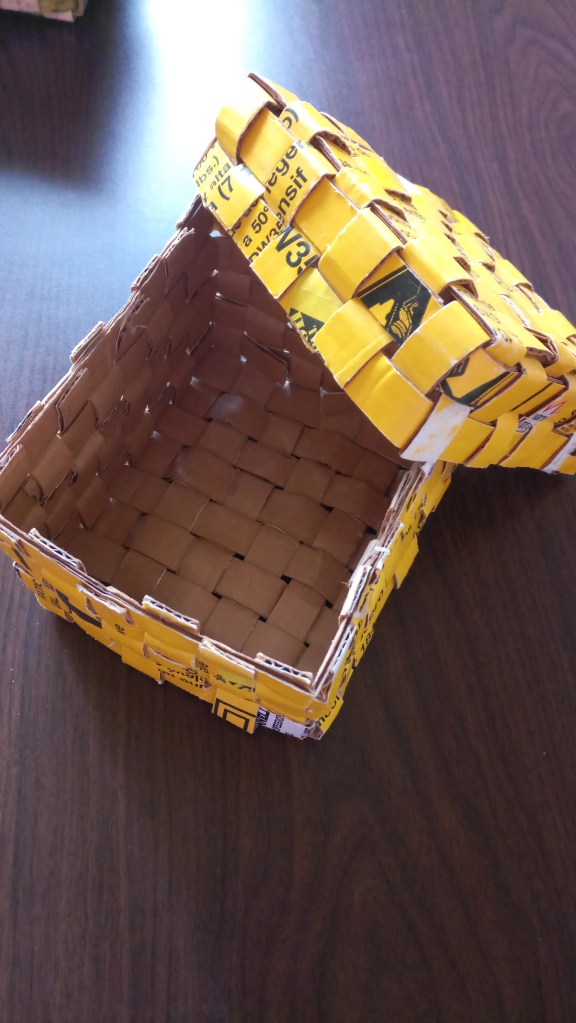
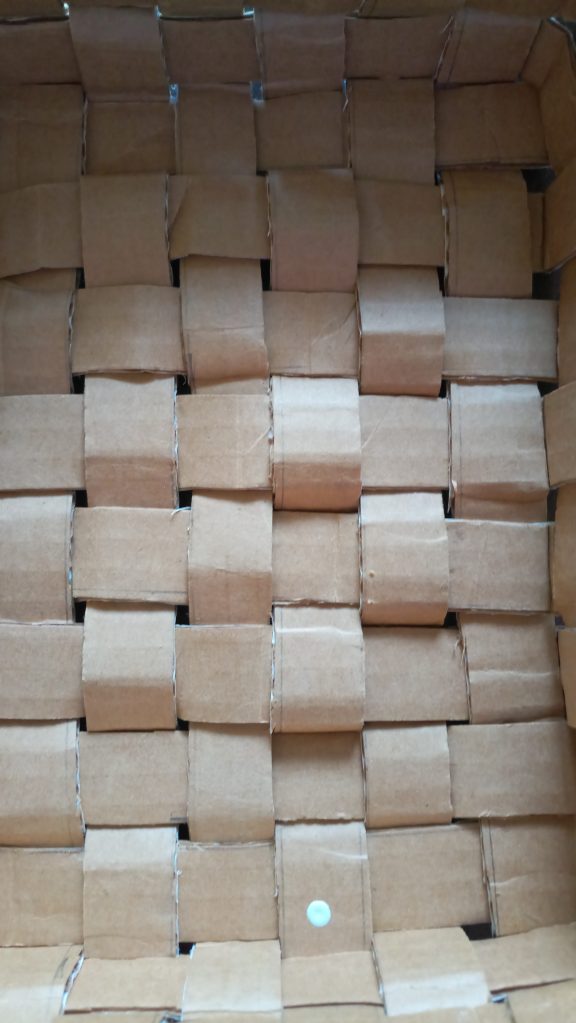
    3 step tutorial now on our youtube channel so you can make awesome lidded storage boxes with otherwise scrap cardboard.

    Video one: introduction and prepping materials

    Video two: the weaving process

    Video three: finishing and lids

    And, get your materials prepped and jump in to join Dawn for an online weaving circle.

    July 27 Monday night- Virtual 7-9 pm, starts just after front line workers support cheer

    Participants can work at whichever step they are at, have a chance to chat and share as a weaving circle with Dawn able to advise for any questions that come up.

     1 session weaving circle online with Dawn Livera free, limited space-

    Register here

    Zoom link sent a few hours before session, please have a working camera and mic on your device to participate.

    A great intro to learning fundamentals of plain weave and shaping- using  easy materials you likely have at home.

    Delivery cardboard boxes are perfect for this project but watch the first video and get ideas for what the materials requirements are- then forage for materials at home.

    Dawn Livera is a visual artist primarily working in textiles and mixed media, with a focus on “freestyle weaving,” a style of weaving in which “there are no mistakes.”

    Dawn studied weaving with a master weaver for many years and completed the Fashion Arts program at Vancouver Community College. She also has a BSc from UBC.

    Community engagement is an important part of Dawn’s practice. She believes that making art should not be the private domain of the talented or learned few. Rather, everyone should feel free to explore their own creativity without worrying about whether their art is good enough.

  • We Need Your Help!

    This summer, visiting artist, Sarah Holloway, will be building a digital garden that ‘uploads’ the Means of Production garden (MOP) and  Trillium North Park Garden (TNP) to a website. Acting as a digital counterpart to the physical gardens, the online version of MOP and TNP will allow for information and commentary on the plants and gardens to be transmitted from afar. Visual and text-based documentation of MOP and TNP will be displayed alongside an ever growing repository of local, ecological art practices provided by EartHand community members.

    Sarah will be coding the digital garden using photographs, drawings and text descriptions – created with input from the EartHand community – in order to map and record  MOP and TNP. The website will be a digital weaving of imagery and lived experiences in the gardens. The act of synthesizing the collected data is similar to the undulation of weft above and below the warp in a woven textile. We are calling out to our EartHand community members to help weave this website into reality.

    The project will occur in two phases.

    The first phase will begin in June 2020 and will involve on-the-ground mapping of MOP and TNP. With the help of community volunteers, these spaces will be translated into hand-drawn maps, drawings of plants, text descriptions/ID’s and photographs.

    Sarah will use the information collected to interpret a map that represents the two spaces. This map will be used as the blueprint for the creation of the digital garden.

    The second phase  will be undertaken from July to September and begin by integrating the map made in the first phase with coding. Data collected earlier along with feedback from community members will be used to build the online garden. Through this internet-garden, others near and far can experience – online – the visceral experiences that a physical, growing landscape offers.

    For more information on the project or how to get involved email Sarah at earthandmapping(at)gmail.com

    Sarah Holloway is a student at the Rhode Island School of Design, studying furniture design and sustainability. Sarah is in Vancouver for the summer and EartHand is thrilled to have her explore this project to help her connect to this place, while weaving our gardens into an online format

    Sarah says about her work:
    Blending traditional and contemporary fabrications, I seek to create a feeling of humanness through automated objects. The wellbeing of the people and the land I interact with through my work is of utmost importance and defines the parameters I work within. Letting go of my intentions on how something should look or act, I let the place significantly influence the methods I create within, by considering the vernacular and the welfare of it.

    Sarah’s physical work can be found here.

    Artists talk on July 7th What is a Digital Garden?

    get your free ticket

    The language of how we describe experiences in the environment and computation are intertwined. The internet is described as water, social media as a mycelium network and navigating digital spaces as ‘surfing the web’. In turn, computational language has been used to describe the natural world. Close to home, Oliver Kellhammer described Means of Production Garden as “an open source landscape…” In visiting artist Sarah Holloway’s talk she will discuss how the linguistic connections between the natural world and computer science lead to exchanges of ideas between ecology and computation. Focusing on one such exchange, Sarah will break down the term ‘digital garden’. From acoustic ecology pioneered in Vancouver during the 1970s to a memory garden for the morning of those who have passed away from COVID-19 and police brutality, the talk will examine how new media has interacted with ecology and how they have influenced her own work in growing a digital garden for Earthand.

    Over the course of the summer Sarah has been mapping and observing  EartHand’s two community gardens: their plants and their harvestable materials. Sarah will be making an online resource for the community to use to access information on the gardens and community members ecological art practice and research.

    Join us for this talk, What is a Digital Garden?, to better understand the project, Digitizing the Visceral: Making in the Spaces Between, and get an overview of the adjacent workshops being led throughout the month of July.  

  • June 7th will very likely be our first in-person workshop in quiet some time!

    After much consideration and conversations with our Park Board partners, we are aiming to go forward with this workshop that is happening over two consecutive Sundays June 7 and 14th.

    We have dropped the max to 4, so we can 2 people at either end of a picnic table in our work bay and will have a process in place for hand washing on arrival and throughout the session, no shared tools or materials and masks will be worn at times that Sharon needs to be closer then a 2 meter distance to see work or demonstrate.

    If between now and the workshop local circumstances change and we need to do this online, a series of zoom sessions will be planned and personal weaving time will happen over those same days and extend to ensure everyone completes their project with support.

    Using Iris, cat tail and other soft fibres participants will weave either a hat or basket.

    Sundays June 7, 14, 12-5pm $207. and 3 credits.

    learn more and register here

  • EartHand is partnering with Stanley Park Ecology Society for this upcoming webinar on

    Saturday June 27th.

    Learn how to turn braids into baskets with other fun and useful ways to use braids made from home and garden foraged materials

    tickets on eventbrite are sliding scale $10-25.

    Over this two hour webinar, Sharon Kallis, founder of EartHand Gleaners, will demonstrate how to graduate from a three-strand braid to a wider, multi-strand flat braid. Participants are encouraged to braid alongside Sharon with your own home and garden foraged materials. Part of the session will offer demonstrations on how to turn braids into baskets with other fun and useful ways to use braids.

    For this webinar, participants:

    • Must be able to do a three-strand braid.

    • Can use torn sheets, rags, plastic strips, blackberry skin and other garden/end of season yellowed greens such as daffodils leaves, dandelion and false nettle stems.

    • Any garden gatherings that are ‘yellowed greens‘ will need to have been harvested and dried to shrink before webinar.Materials can be put in water for about 10 minutes then wrapped in a wet towel an hour before session to be ready for use.

    • Should have a piece of string to tie their materials and a brace (table or chair leg) to tie to within view of their computer.