


More workshops coming up- taking old garments and making new again!
May 26th- Tshirt hack time- check it out here
June 2nd- pattern hacking and drafting 101- lets figure out your garment construction together- register here
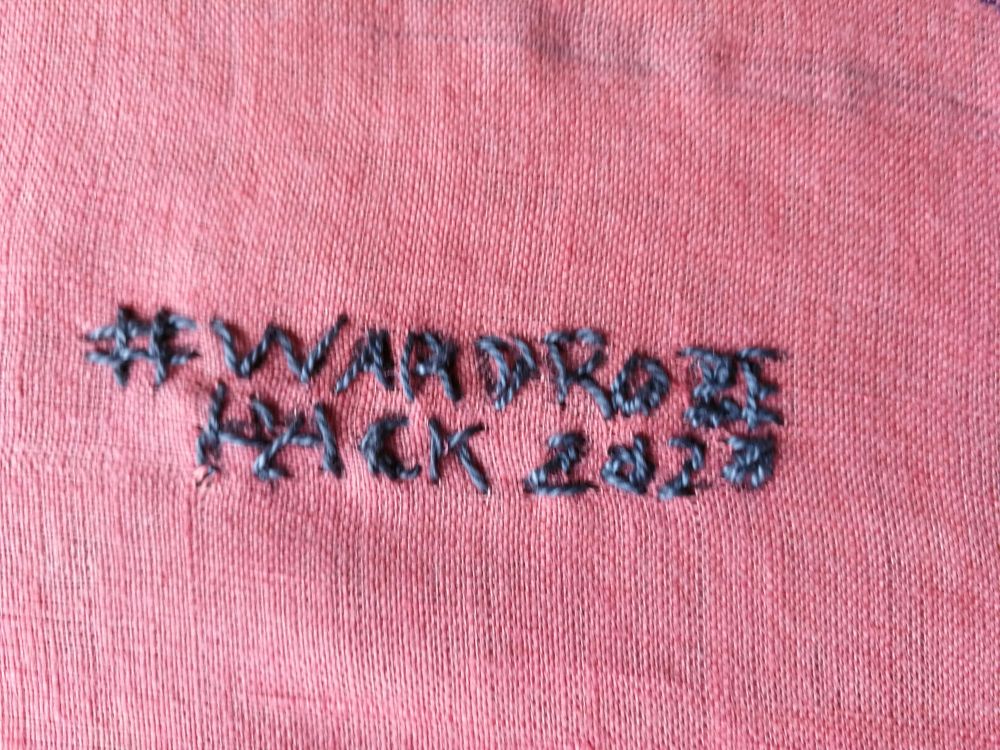
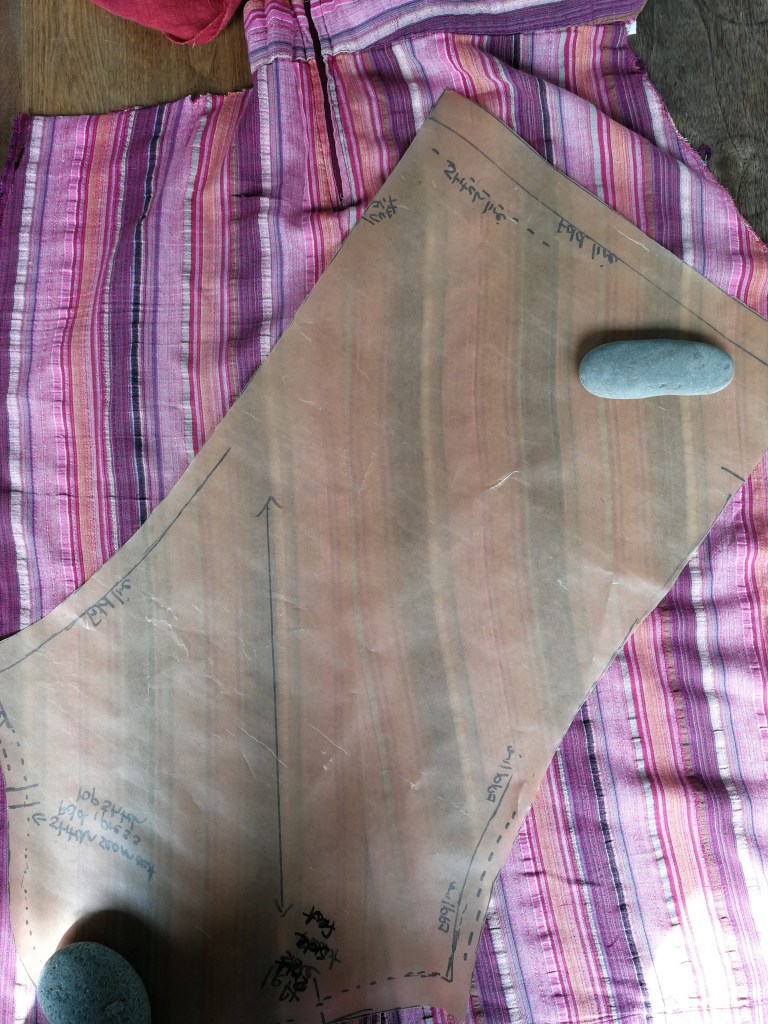


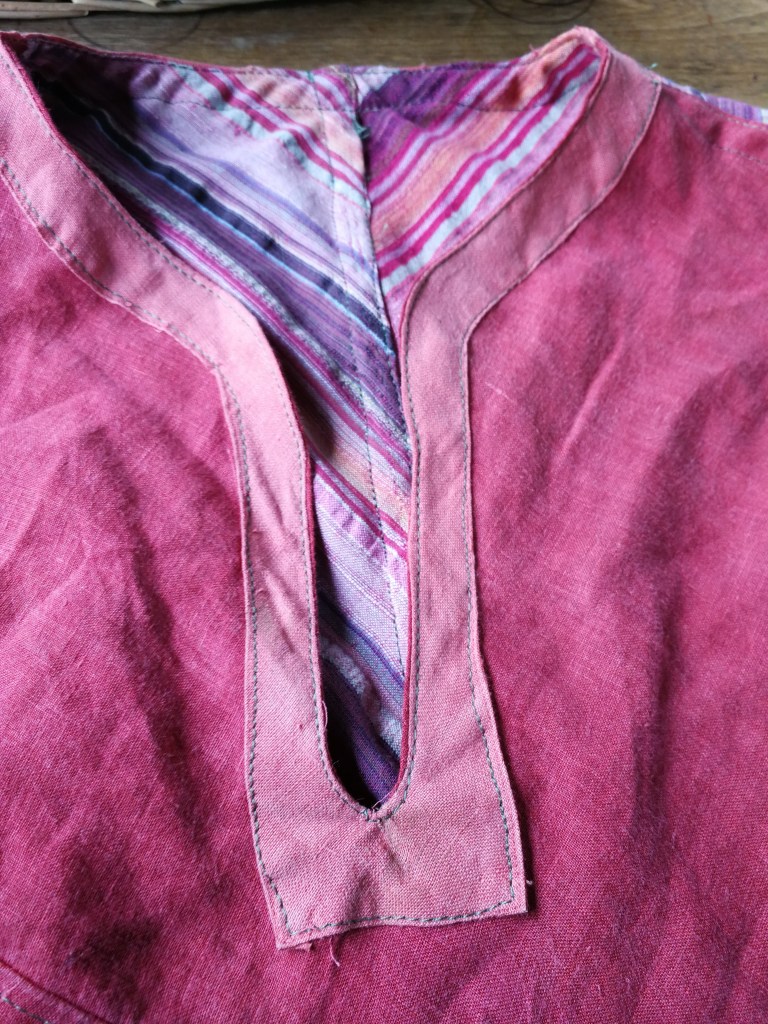
More workshops coming up- taking old garments and making new again!
May 26th- Tshirt hack time- check it out here
June 2nd- pattern hacking and drafting 101- lets figure out your garment construction together- register here
Join this pay-what-you-like Zoom video conference felting demo with Amy Walker using local Gotland fleece from Barnston Island.
Thursday May 21st 7.15 pm
Link to register for the WESHOWUP demonstration
This introduction to felting will show you the materials, tools and methods I use to make felt and give you an understanding of the felting process. There will also be a follow-up Zoom class to register for if you want to make felt of your own. A registration fee of $2 will be charged on We Show Up – and there will be an email inviting you to pay a few bucks at the end if you feel like it. Amy Biker Walker is the thinker / organizer / maker of Makemobile.ca – a mobile art studio / cargo bike. She worked as a production felter for five years at Funk Shui Atelier on Granville Island and she facilitates mobile sociable making in Vancouver with natural, non-plastic materials as much as possible
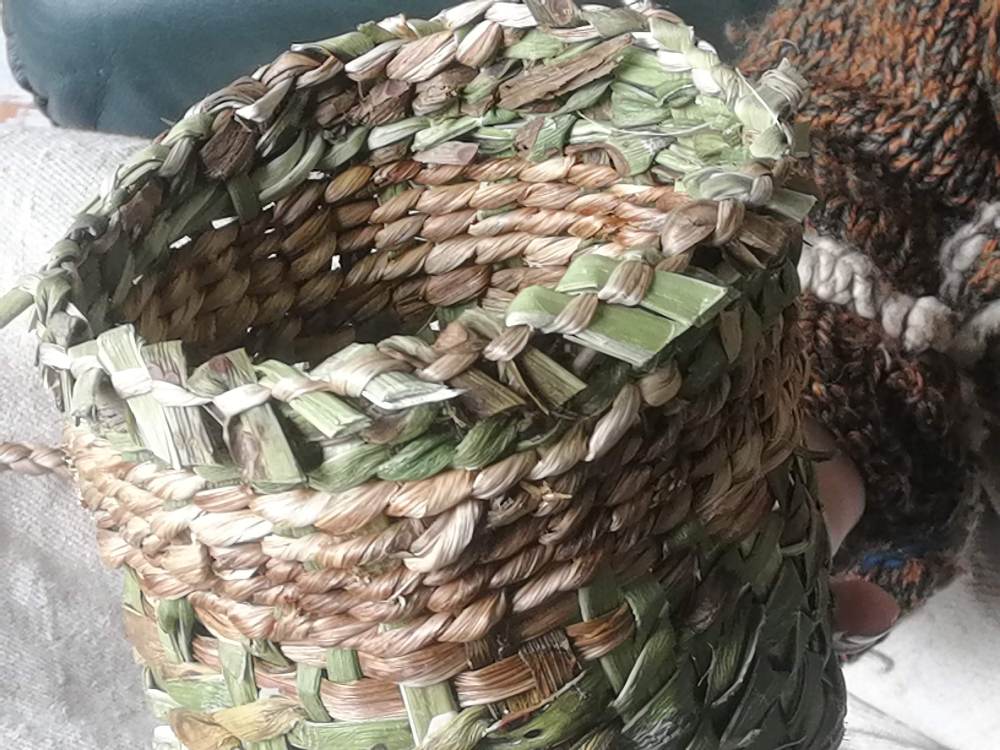
Weave a lunch pack or water bottle cover
Mason jars are such handy containers for on the go- and as we move on to the next phase of Covid 19 re-opening…being outdoors and travelling more – why not choose now to make yourself a handy jar cozy?
An added bonus, Karen Barnaby has shared her favourite cold soup recipes with us- lunch contents for when your jar cover is made. See the bottom of this post for recipes.
What you will need– materials to use for your warps and weavers and handle.
Use a jar with straight sides- beware of rounded jars where your weaving will form an undercut and be locked on to the jar
Sharon uses yucca (about 6 leaves) a few leaves of dried iris and 16 daylily stalks for the 4 ply braid hand- you can use threads and yarn scraps, fabric strips or plants- strong plants like yucca are great for weight.
a crochet hook, scissors, tapestry needle, needle nose pliers are all handy, but you can make due with a jar, a sharp point for stripping fibre and strong hands.
Weave Along online steps:
These are silent tutorials with ambient urban noises and bird song. Read descriptions for aid, consider this like sitting beside me watching my hands move, lots of repetition helps get the techniques ingrained.
We would love to see your results! Share with us on facebook
Now what to put in that jar?
Recipes as promised!
Raw Asparagus Soup
The cashews and avocado give the soup its creamy texture. Eat it soon after it’s finished to keep the flavour and colour of the avocado.
Cover the cashews with cold water and refrigerate for at least 2 hours or up to overnight.
Trim the woody ends from the asparagus. Cut off 12 of the best looking tips, then cut each tip in half lengthwise and reserve. Chop the rest of the asparagus into ½-inch (1.25 cm) pieces.
Drain the cashews and place them in a blender along with the 2 cups (500 mL) water and the remaining ingredients except for the reserved asparagus tips. Puree until completely smooth. Check the thickness and seasoning. Adjust with more water if needed, lemon juice and salt.
Pour into bowls and garnish with the reserved asparagus tips and a slice of lemon.
Makes 4 1 cup (250 mL) servings
Chilled Zucchini & Yogurt Soup with Fresh Mint
The spinach makes this soup a vibrant green.
Place the yams, onion, ginger, garlic, turmeric, cinnamon, nutmeg and broth in a large pot. Bring to a boil, then turn down to a simmer and cook for 30-40 minutes until the yams are tender.
Puree the soup in a blender with the coconut milk. Taste and adjust the seasoning. Cool and refrigerate. The soup will thicken when cooled and can be thinned with water. Check the seasoning as this too will be reduced and adjust as you see fit.
Makes approximately 8, 2 cup (500 mL) servings
We were super excited Sara was going to do walks with us this Spring, and when that couldn’t happen we asked Sara to embrace technology and bring the gardens to our homes.
In honour of Bird Week this guest post by Sara Ross takes us on a walk (a sit-spot actually) at Trillium North Park and Means of Production Garden. Who are the birds using these wonderful pockets of indigenous and art-material plants? And what are they up to?
There is so much good reading, listening and link-following ahead- get a cup of something and cozy up to a screen to be inspired when next you go to the gardens!
(note- if you want to watch these videos full screen, visit the EartHand Youtube channel to view them directly. Headphones recommended. Thanks to Ifny Lachance for tech support.)
“It’s waaaaaay spring! The leaves have arrived and most have already turned from yellow to green. Bird song fills the air, and in many places it is easier to hear because of the current slow-down. Friends have asked me… are there more birds this year? Good question! Lee’s see what we can see and hear.
I had a few technical issues while creating these video and sound recordings. As a result there are several places where video cuts out. One part of my story about the history of the salt marsh was lost altogether, so here are some additional notes that fill in the lost recordings and point towards further resources.” ~Sara
Mean of Production Garden, May 6 2020
The Salt Marsh. History of Land/Place at Trillium Park
People have been living in Vancouver for 3,000 years, and in the Greater Vancouver area for 8,000. Before that there was a massive glacier, or a glacial river outflow in this place. A large area (see pic of map by Celia Brauer & Bruce Macdonald) including where Trillium North is now, and stretching to the base of the hill at Means of Production garden, was a salt marsh and intertidal zone called Skwahchays. At that time the marsh would have been home to so many wild creatures: birds, mammals such as elk and deer, crab and other shellfish and fish, plants that many of us would not even recognize for their diversity.
In the 1930’s the marsh was destroyed by being filled in to use as a rail yard.
In about 2007 remediation was started, and by 2014 the main tree plantings in the North part of the park were completed. Since then the area has been stewarded by Earthand Gleaners and friends, and we see the plants and trees… and associated birds are thriving.
map by Celia Brauer & Bruce Macdonald
Trillium North Park is located in the pinkish area just to the left of where the map says crab (I think). Khiwanah’esks ‘separated points’ is now Main Street. Burrard Inlet is the water to the north.
VIDEO: Trillium Bird Wander
Intro to Bird Language and a few stories about the birds that are here, including anna’s hummingbird, 4 species of sparrows, orange-crowned warbler, cooper’s hawk, european starling, crows, cormorants. Cooper’s Hawk photo credit: Laurel Dykstra.
More bird notes:
The main bird voice heard throughout this video is white-crowned sparrow.
On re-watching, at 6:38 I notice that a person walks behind me on the other side of the bushes. Shortly after that, the sparrow begins to alarm, and I suspect they are connected.
Birds seen or heard at Trillium North Park
VIDEO: 5 Voices of Birds at Means of Production
Intro to the 5 voices of the birds, including understanding baseline. Song, companion calling, juvenile begging, male-to-male aggression, alarm.
More bird notes:
10:58 – 11:08, when I’m talking about juvenile begging and starlings and crows what I hear on re-listening is a baby crow being fed by a parent.
11:43 and 11:52 we hear a loud sound comparable to the sound a sneaker makes on a gym floor. It’s the Anna’s Hummingbird doing an aerial territory display!
VIDEO: Invitation to Connection and Intro to Sit Spot
Starts with a nice audio of birds and pan of the beautiful gardens at Means of Production. Learn about Sit Spot. I focus on bird sounds in this invitation, but note that you can pay attention to whatever catches YOUR interest at your sit spot (except NOT your to-do list). Pay attention to plants as they unfurl, bud or develop seeds, insect visitors, clouds, birds, four-legged creatures, water, wind, whatever.
Birds seen or heard at Means of Production Garden:
Try a sit spot, a short How To:
What makes a good sit spot?
Choose somewhere that is very close to you, easy to access… so not more than 5 minutes walk from your house, ideally closer.
Pick a place where you feel safe, and where you can be alone without talking to other humans. It needs to have some nature, but does not need to be a super-wild space. Even sitting at your window is fine. Perhaps you can have a second spot that you visit less often which is more wild?
Visit your spot often at different times of day and seasons. While there, expand your senses and get curious. Working on hand-crafts at the same time is ok, providing you still have some attention free to be present to your sit spot.
Some people take notes or nature-journal while there if it helps you focus. Others save the note-taking until later or never. It is best if you can share your nature stories and observations with another person, but if that’s not possible it is valuable to share with your journal.
7 local birds that will help you study bird language
These birds spend all or most of the year here, and generally hang out fairly close to the ground.
Hear their different vocalizations such as song, companion, and alarm at Bird Language Audio Recordings
Links
Bird Language Audio Recordings
How to Learn Bird Language in 5 Steps
Sit Spot Link (Wilderness Awareness School)
History of False Creek Watershed
What the Robin Knows, Bird Language book by Jon Young
Helping Birds in local parks.
Please keep your dog on a leash except in clearly marked off-leash areas. Dogs harass birds and destroy nests.
Clean up fishing line and nets and any other plastic trash that you see in nature to prevent bird entanglement and ingesting.
BIO: Sara Ross is a Burnaby-based mother, cyclist, explorer, maker, care-taker of land, harvester & gleaner of wild plants, land defender. She loves birds, and loves the thrill of catching sight of a hunting cooper’s hawk on the wing. She is a former Lead Instructor at Soaring Eagle Nature School, and has worked, studied, and practiced with nature-connection & birds in this region for 20+ years. Sara has led the Crow Roost Twilight Bike Ride since its inception. Sara also runs a micro-business called Land Connection Medicine which features super-local & limited-edition plant medicine tinctures.


The 2 hour talk and demonstration by Sharon Kallis from April 21st
– a show and tell of garments she has made from older garments and tips and tricks to inspire others to try at home…. the whole darn talk!
Content and time markers to help you find what you are curious to hear.
A huge thank you to the kind and patient people who joined Sharon for this live online talk!

Take a look at our events calendar to see fresh programming all designed to keep you busy making and learning from home throughout this time of social distancing.
Now thru May, we have a variety of knitting clinics, making circles and artists talks you can connect to through your computer. We are also working with our skill holders to support them in being able to teach from home- and are sharing links for the classes they will teach thru the weshowup platform. ( allowing pay what you can after the class).
We will continue to add content to our Youtube channel as we can, and meanwhile hope you and your family are staying safe and healthy… and hopefully enjoying a new-found pace of slow and local living.


Let’s clothe ourselves and create a new culture by our choices in what we make, what we wear and what we decide or decline to purchase.
BE THE FASHION CHANGE YOU WANT TO SEE IN THE WORLD
Because of Covid-19, we have paused fast-fashion and the rabid textile consumption machine. Now, let’s just hit the stop button.
Our collective Wardrobe Hack style can truly make a statement; a shift in fashion culture, production values and in maker and consumer culture.
PARTICIPATE IN THE WARDROBE HACK
Declare out loud, online or alone:
Ways to Participate!
Do a wardrobe sweep and see what your core pieces are.
Do another wardrobe sweep to cull your closet of excess: garments not being worn sort into the following categories:
When Social Distancing requirements in your community end, consider hosting a making circle and a materials swap – trade old garments for new inspiration!
Share on social media: # wardrobehack2020
check the Events Listing for Wardrobe Hack listed events and other slow clothing tagged events and classes. and catch the virtual artists talk by Sharon discussing this project and touring her wardrobe remakes on April 21st.


We are thrilled to partner with Caitlin ffrench in changing this event to an online session.
Limited space- reserve your spot here
April 14th 5-7pm
Caitlin ffrench will be discussing how to forage for and make artist materials from within your land base. You will learn about the oil and watercolour paints, inks, wildcrafted pigments, and charcoals that Caitlin makes as well as the work she produces using these materials. Caitlin will also be discussing the health and safety of producing artist materials, as well as the ethics of wildcrafting. This will be a 2 hour online demonstration hosted on Zoom. Upon registration you will be emailed a Zoom meeting ID and Password to join the demo. The demo starts at 5pm (PST) sharp. The cost is $1 (cad) to reserve your spot, and after the demo you will be asked choose the amount you would like to pay (either $5, $25, or $50 cad)

In light of the pandemic health crisis there are a few things we want you to know about what we at EartHand are doing.
Currently- all programs and in-person community events are cancelled. look for blue “online” labeled events on our calendar- those are new!
Paid program registrants will be contacted if this affects a class you have signed up for, once things resume to whatever “a new normal of functionality’ looks like do know:
~If you have signed up for a paid program and are not feeling well, we will issue a full refund up to the time of class beginning.
~ If you are in a multi-session program and unable to attend part of the program due to illness, we will do our best to meet with you and catch you up on what you missed in a personal tutorial once you are healthy.
~all of our garden gloves will be washed at the end of each session and garden tools sanitized.
~all of our activity sites have hand sanitizer available.
We encourage you to stay home if you are not feeling well, but also see a great benefit to break out of the isolation the current move towards social distancing creates by spending time working in gardens together. We will be practicing best methods for our collective social health; encouraging awareness of 1 meter ‘personal bubbles’, not sharing tools, limited or no hand to hand contact, as well as suspending the usual practice of hugs for those we know and are happy to see again.
We wish you good health and hope to see you in the garden soon.


Do you remember the Natural Dyers Garden Coop program that EartHand offered in past years?
It was one of our favourites and the reason it isn’t offered anymore is because we liked it so much we took the model and invested into ALL our paid programming.
Now, instead of times you are expected to be in the garden – you choose which days for garden work fit your schedule, as well as which parts of the dyers studio- from local fleece to botanical prints.
What fits your creative needs and personal learning journey?
Tending the dye plants generally is grouped in with any stewardship day you see scheduled for Means of Production (MOP). Beyond weeding, path maintenance and fence care; most dye garden work happens in August through October for harvesting.
As with the Dyers Garden Coop model from our past, there is generally equal time investment from the studio workshop to the garden’s care. Each paid class in which you register will have a $ fee as well as # of credits listed. 2 credits required is equal to 2 stewardship sessions.
You can sign up for and complete these stewardship sessions anytime within a 6 month window of the workshop. And note- you can do ANY stewardship or community credit session- it doesn’t’ have to be a dye plant care session!
Dye Dates for Build your Own Adventure: click on any link for more info and registration.
Stewardship Sessions:
April 23– 6.8.30 pm evening planting session
May 21– 11am-2pm general spring work in top area of MOP
June 11 6.30-9 pm stewardship at Trillium will include materials prep for June 28
June 18– 6.30-9pm evening forage session for June 28th program and general seasonal tasks
many more dye-related garden sessions to be posted for later in the summer and fall, see all the stewardship opportunities here.
Dye Related Studio Events:
April 19th 1-4pm Fleece Washing Fundamentals with Nicola Hodges ($25, no credits)
June 9 6-9 pm Fleece Washing Fundamentals with Nicola Hodges ( $25, no credits)
These two sessions are both a chance to help Nicola wash and scour fleece from Barnston Island for our programs. Nicola is incredibly knowledgeable about best practice for fleece washing and how to make it simple for at home processing. If you have never washed a fleece before consider this session. For those with fleece know-how, you will enjoy stories from Nicolas’ wide range of experience and are sure to learn new tricks.
May 24th 11am-5pm Full Studio day for Spring woolly dye pots! ($83 plus 2 credits)
Each participant will leave with a significant amount (approx 8-12 ounces) of dyed local fleece from the dye pots created. Focus will be spring -seasonal light greens, yellows and pale pinks. See link for further details.
May 28, 29, 30, 31 Botanical dyes to woven object intensive with Anna Heywood Jones ($325 plus 5 credits)
An amazing opportunity to do a deep dive into local textile work from dying fibres to designing a small weaving. Two weekday evenings and a full weekend will leave participants ready to take on new projects as well as the enjoyment of your finished small weaving. Follow the link for more detailed information about this program.
June 28 1-5 pm Botanical Spring Prints with Sharon Kallis ( $80 plus 1 credit)
Including both BYO garments for the dye pot and cotton fabric panels that are provided pre-mordanted in alum, this session allows for easy and creative play with local seasonal colour. A simple beautiful way to create prints on cloth and clothing, this method is a great introduction to the world of natural dyes and will teach a simple iron mordanting method.
To be Announced:
Autumn woolly dye pots to be scheduled for mid late October.

 EartHand Gleaners Society